
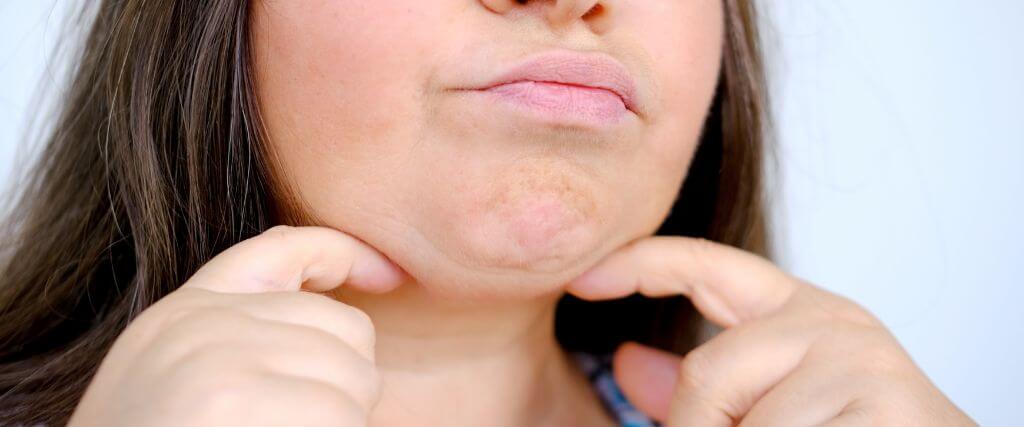
Chin ptosis refers to drooping or sagging of the chin’s soft tissue. While chin ptosis commonly occurs with aging, other factors can contribute to its development. Understanding this condition helps patients make informed decisions about potential treatments. As dental professionals, we’re here to help.
What Exactly Is Chin Ptosis?
Chin ptosis occurs when the mentalis muscle — which plays a critical role in chin projection and movement — and surrounding soft tissues lose their natural position and begin sagging. When the muscle weakens or becomes displaced, the chin may appear to droop or hang below its normal position.
Unlike other facial aging signs, chin ptosis specifically affects the lower third of the face, creating a disconnection between the jawline and neck contour. This condition can make a person look older or tired, even when the rest of their facial features remain youthful.
Medical professionals categorize chin ptosis into different grades based on severity:
- Grade 1 represents mild drooping with minimal impact on facial appearance.
- Grade 2 indicates moderate sagging with noticeable changes to chin contour.
- Grade 3 signifies severe drooping with a significant effect on facial harmony.

Common Causes of Chin Ptosis
Chin ptosis has several causes, often developing due to a combination of factors:
Age-Related Changes
As we age, our skin loses elasticity, and collagen production decreases. The soft tissues in the face, including those in the chin area, gradually lose their firmness and begin to sag. Gravity continually pulls these tissues downward, worsening the condition over time.
The mentalis muscle also weakens with age, providing less support for chin tissues. This muscular weakening combines with skin laxity to create the characteristic drooping appearance.
Anatomical Factors
Some individuals have a naturally weaker mentalis muscle or thinner skin in the chin area, making them more susceptible to ptosis. Facial bone structure also plays a role, as some jaw shapes provide less support for the soft tissues.
Dental conditions, especially those involving tooth loss or significant dental work, can also alter the underlying support structure of the chin, contributing to ptosis.
External Factors
Excessive sun exposure accelerates skin aging by breaking down collagen and elastin fibers. As a result, people with significant sun damage often develop chin ptosis earlier than those who have taken steps to minimize UV exposure.
Smoking damages skin cells and restricts blood flow, accelerating the aging process throughout the face, including the chin area. And weight fluctuations stretch the skin and can lead to laxity when losing weight, especially after multiple cycles of weight gain and loss.
Signs and Symptoms
Chin ptosis causes several noticeable changes, including:
Visual Changes
The most obvious sign of ptosis is sagging or drooping of the chin tissue. This creates a less-defined jawline, often making the face appear older or heavier than it actually is. Many patients notice a change in their profile view, with the chin appearing to recede or hang lower than before.
Functional Issues
Beyond aesthetic concerns, advanced chin ptosis can also affect facial expressions. Drooping tissue may limit natural movement of the lower face during speech or expressions.
Some individuals report difficulty producing certain consonant sounds when speaking as the chin position changes. Others notice food or drink more easily escaping from the corners of the mouth.
Diagnosis and Assessment
Healthcare providers, typically dermatologists or plastic surgeons, diagnose chin ptosis through physical examination and patient history. The assessment involves observing the patient’s face at rest and while making various expressions, examining the chin from multiple angles, assessing skin elasticity and muscle tone, reviewing the patient’s medical history for contributing factors, and discussing the patient’s concerns and goals for treatment.
Photographic documentation helps doctors track changes over time and plan appropriate interventions. Many providers use 3D imaging technology to create detailed maps of facial contours, allowing for precise treatment planning.
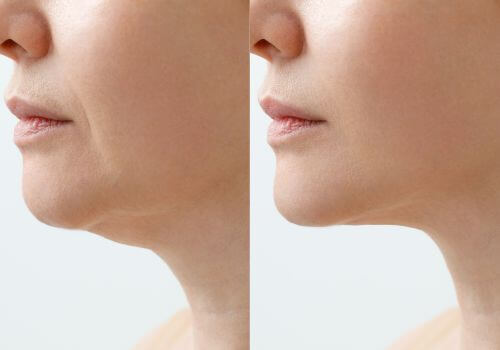
Treatment Options for Chin Ptosis
Patients with chin ptosis have several treatment options, from non-invasive approaches to surgical interventions:
Non-Surgical Treatments
Dermal fillers made with hyaluronic acid or calcium hydroxylapatite restore volume and improve chin contour. These treatments provide immediate results but require maintenance treatments every 6-18 months.
Strategic injections of botulinum toxin (Botox, Dysport, etc.) can relax specific muscles contributing to chin ptosis. This treatment works best for mild cases, and the results typically last 3-4 months.
Thread lifts are minimally invasive and use absorbable sutures to lift and reposition sagging chin tissue. These treatments provide moderate improvement with minimal downtime but typically last only a year or two.
Ultrasound and radiofrequency treatments stimulate collagen production and tighten skin. Devices like Thermage, Ultherapy, and FaceTite deliver controlled energy to the deeper skin layers, creating gradual improvement over several months.
Surgical Approaches
Surgical approaches are the most effective option for patients with severe drooping. Mentoplasty is a common procedure that involves surgically reshaping the chin via implants or bone reshaping to improve projection and support sagging tissues. Submentoplasty removes excess fat and tightens muscles in the chin and neck region, creating a more defined jawline.
A facelift focusing on the chin is a more comprehensive approach that addresses sagging throughout the entire lower face and neck, including the chin area. In severe cases, surgeons may perform direct excision to remove excess skin directly from the chin area, though this approach carries a higher risk of visible scarring.
Preventive Measures
While some factors contributing to chin ptosis are unavoidable, patients can take several steps to minimize and delay its development:
Helpful Daily Habits
Consistent use of broad-spectrum sunscreen protects skin from the UV damage that accelerates aging. A proper skincare routine, including moisturizers and collagen-supporting products, also helps maintain skin elasticity and strength. Adequate hydration supports overall skin health, while a nutritious diet rich in antioxidants provides the building blocks for healthy skin cells.
Exercises for Chin Muscles
Certain exercises help strengthen the mentalis muscle and surrounding tissues. When performed regularly, these exercises help maintain muscle tone and slow the progression of ptosis.
Chin lifts involve tilting the head back and pushing the lower lip forward, holding the position for several seconds. Jaw release exercises require opening the mouth wide while sticking the tongue out, then closing slowly. Neck resistance exercises involve placing hands under the chin and pushing upward while creating resistance.
Chin tucks, where one pulls the chin toward the neck while keeping the shoulders down, can strengthen the entire neck-chin area. Regular smile exercises, performed by smiling widely while pressing fingertips into the chin, can also maintain muscle tone in the lower face.
When to Seek Medical Advice
Patients should consult a healthcare provider if chin ptosis appears suddenly rather than gradually or if the condition causes functional problems with eating or speaking. Medical attention is also warranted if ptosis occurs alongside other concerning symptoms like facial numbness or if the patient experiences psychological distress related to their appearance.
Chin ptosis is a common — but often overlooked — aspect of facial aging. Fortunately, whether through non-surgical treatments, surgical procedures, or preventive measures, options exist to improve chin contour and restore facial harmony.
As medical technology advances, new and less invasive treatments emerge, offering patients more options with fewer risks and shorter recovery times. The best approach varies by individual, considering factors like age, anatomy, overall health, and personal preferences.
If you have concerns about chin ptosis, schedule an appointment with a healthcare provider. A more confident you awaits!