
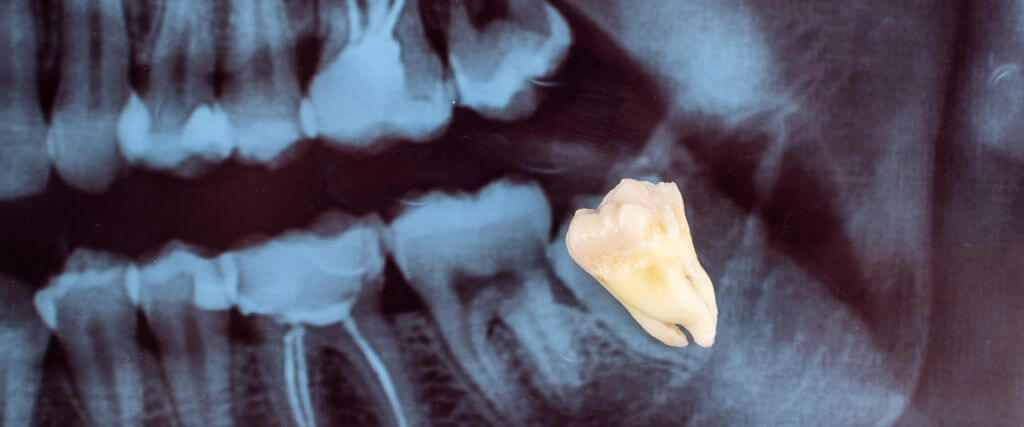
When it comes to oral surgery, few procedures are more common than removing wisdom teeth. While they can help with chewing when they come in properly, these third molars often create problems that require professional intervention, leaving many patients with questions about the process, recovery, and what to expect. As dental professionals, we’re here to help you better understand what wisdom teeth are, the most common signs of problems, and what to expect when having them removed.
What Are Wisdom Teeth?
Our wisdom teeth, or third molars, emerge between the ages of 17 and 25. They are the final four teeth humans develop, with two on the bottom jaw and two on the upper jaw. With age comes wisdom, and that is where these teeth got their name.
The average human mouth comfortably accommodates 28 teeth, but wisdom teeth bring the total to 32. Many people lack sufficient space for the four extra teeth, resulting in pain, impaction, and other complications that necessitate removal.
Signs Your Wisdom Teeth May Need to Come Out
Several indicators suggest wisdom teeth removal may be necessary. Pain is the most obvious symptom, often starting as mild discomfort and progressing to severe throbbing. This pain typically intensifies when chewing or applying pressure to the affected area.
Other signs to watch for include:
- Repeated infections
- Damage to surrounding teeth
- Red, bleeding, or tender gums near the back teeth
- Persistent bad breath despite good oral hygiene
- Difficulty opening your mouth
- Facial swelling
- Headaches
- Changes in bite or tooth alignment
As dental professionals, we recommend regular dental examinations to monitor wisdom teeth development and catch problems early — before they become painful or lead to more serious complications.
What to Expect During the Procedure
If you need to have your wisdom teeth removed, your dentist or oral surgeon will begin with a comprehensive examination. They will also take X-rays to assess tooth position, root structure, and proximity to nerves and sinuses.
Your procedure’s complexity depends on several factors, including tooth position, root development, and impaction level. Extracting fully erupted teeth is simple and requires only basic instruments. However, impacted or partially erupted teeth often require more complex surgical extraction.
Dentists and oral surgeons perform wisdom teeth extractions using local anesthesia or while the patient is sedated. Local anesthesia is common for simple cases, while anxious patients and complex cases often require nitrous oxide, oral sedation, or IV sedation. General anesthesia may be necessary in especially severe cases.
During the extraction, your dentist or surgeon creates small incisions in the gum tissue, widens the socket, removes bone (when necessary), and carefully extracts the tooth. Large teeth may be sectioned into smaller pieces for easier removal. The surgeon cleans the extraction site, places stitches if needed, and positions gauze to control bleeding.
Recovery Process and Timeline

Recovery times vary, but most people experience the most discomfort during the first 48-72 hours. Initial healing of the extraction site occurs within one to two weeks, while complete healing takes several months.
Swelling and bleeding are common for the first few days, and pain peaks around day two before gradually subsiding. Swelling usually reaches its maximum on day three, then slowly decreases over the following week.
Week one is all about rest, pain management, and following post-operative instructions carefully. Most people return to normal activities within a few days, though strenuous exercise should wait until your surgeon approves it.
Week two brings significant improvement for most patients. Stitches may dissolve or require removal at this time. Discomfort becomes much more manageable, and patients can generally start eating their favorite foods again.
Over the next few months, healing continues internally while external symptoms resolve. Complete bone healing and tissue remodeling takes several months, but this process doesn’t affect daily activities.
Managing Pain and Complications
Effective pain management requires a combination of medication, ice, heat, and rest. Your surgeon will recommend appropriate pain medications, including over-the-counter options like ibuprofen or prescription medications.
Applying ice in 15-20-minute intervals for the first 24-48 hours reduces swelling and eases pain. After 48 hours, switch to warm compresses to promote healing and enhance comfort.
Diet modifications support healing and prevent complications. Stick to soft foods like yogurt, smoothies, mashed potatoes, apple sauce, and soup for the first few days. Avoid hard, crunchy, spicy, or extremely hot foods that could irritate extraction sites.
Maintain good oral hygiene practices to minimize your risk of infection while healing. Avoid brushing directly over extraction sites for the first 24 hours, then gently clean the area with a soft-bristled toothbrush. Rinse your mouth using salt water after eating or drinking to keep the area clean without disrupting healing.
Dry socket is a possible complication that could occur if the blood clot protecting the extraction site dislodges. It causes severe pain and requires immediate dental attention. Patients can typically prevent dry socket by avoiding smoking, using straws, or spitting forcefully.
When to Contact Your Dentist
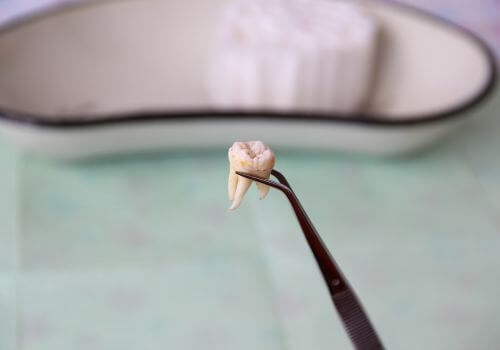
After having your wisdom teeth removed, certain symptoms warrant reaching out to your dentist or oral surgeon.
If you notice any of these signs of complications, seek professional evaluation immediately:
- Severe pain that gets worse after day three or doesn’t respond to prescribed medications
- Bleeding that soaks through the gauze within 30 minutes for several hours
- Signs of infection (fever, increased swelling after day three, pus, or a persistent foul taste)
- Numbness or tingling in your tongue, lip, or chin
- Difficulty swallowing
- Breathing problems
- Severe nausea/vomiting
Trust your instincts. If something feels wrong during your recovery, contact your dental team promptly. It’s always best to err on the side of caution.
Preparing for Success
Successful wisdom teeth removal begins with proper preparation. Make sure you have someone to drive you home after surgery, and stock up on soft foods, pain medications, and ice packs before your appointment.
Create a comfortable recovery space with extra pillows to elevate your head while sleeping. This position reduces swelling and promotes better drainage. Follow all pre-operative instructions regarding eating, drinking, and medications. If you have any questions or concerns leading up to your appointment, reach out to your dental care team for guidance.
Closing Thoughts
Removing problematic wisdom teeth provides significant relief and improves oral health for most patients. While recovery demands patience and adherence to post-operative care instructions, the benefits are well worth the temporary discomfort and dietary restrictions. And thanks to modern surgical techniques and anesthesia protocols, the procedure itself is much more comfortable than many patients expect. If you think you might need to have your wisdom teeth extracted, schedule an appointment with your dentist today.
If you’re in Dallas, TX, and need dental care you can trust, give us a call at (972) 931-7114 or email [email protected]. We’re here to help you smile with confidence!